
José Cabrera, Secretary of Municipal Policy of the PSOE of Fuerteventura, advocates for a targeted tourist eco-tax to fund improvements to the La Punta de Jandía road, which is currently maintained with gravel.
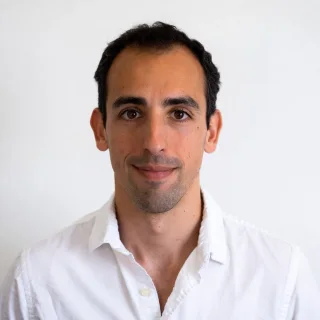
The Secretary of Municipal Policy, Primary Sector, Food and Food Sovereignty of the PSOE of Fuerteventura, José Cabrera, has launched a proposal that seeks to unite two problems of the island: the funding of environmental conservation and the improvement of the La Punta de Jandía road. In an opinion piece, Cabrera advocates for the implementation of a targeted tourist eco-tax, the revenues of which would be allocated to specific actions, such as providing a permanent solution to the 23 kilometres of this emblematic road.
An eco-tax for the maintenance of the Jandía Natural Park
Cabrera emphasises that the eco-tax is not a generic revenue-raising measure, but a targeted instrument.
“The tourist eco-tax I advocate for Fuerteventura is not a generic revenue-raising measure, but a targeted instrument. It would be collected to fund specific actions,” he states.The socialist politician reminds us that the eco-tax applies to visitors, not residents, and that it is a widely accepted concept in European destinations, so the fear of a decline in tourism is unfounded.
The proposal comes at a time when the La Punta de Jandía road, a key route for tourism and local life, faces serious maintenance issues. The current gravel system, which consists of levelling the surface with fine material, is no longer viable.
“It is becoming increasingly difficult to find the fine material to level, fill in the gaps and consolidate the surface of the 23 kilometres of this road,” explains Cabrera.Moreover, extracting that aggregate from the Jandía environment is unsustainable from an environmental and landscape perspective.
Road safety and a permanent solution
The deterioration of the road not only affects driver comfort but also poses a risk to road safety. Cabrera warns that the gravel system is reaching its operational end and that, if no action is taken, it will result in traffic accidents.
“We need to find another solution and, in my opinion, it must be a permanent solution,” he asserts.For this, a convergence of a technical and legal solution that surpasses the current gravel stage is needed, along with the necessary funding to carry it out.
The technical solution must reconcile the safe transit of vehicles with the regulations of the Jandía Natural Park. Cabrera recalls that other natural parks have roads with permanent solutions, so it is possible. Funding, for its part, could come from the tourist eco-tax, a brave and long-term political decision.
An open debate in Fuerteventura
Cabrera's proposal is not new in the Canary political debate, but it gains strength by linking it to a specific problem of the island. The La Punta de Jandía road is a defining route for the identity of the majorero and the external image of Fuerteventura, so its improvement is a recurring demand. The eco-tax, according to the socialist, would allow the majoreros to decide where to invest that money, for their well-being and to conserve their landscapes.
The initiative comes at a time when other Canary Islands, such as the Balearics, have already successfully implemented tourist taxes. In Fuerteventura, the debate on the sustainability of tourism and the need for infrastructure is more alive than ever. Cabrera's proposal seeks to empower residents and provide a concrete solution to a problem that affects both tourists and locals.
For now, the proposal remains on the table, awaiting the response of other political parties and the tourism sector. Meanwhile, drivers navigating the Jandía road continue to dodge potholes and await a solution that, if it depends on Cabrera, will come with a targeted eco-tax.
You may also like


