
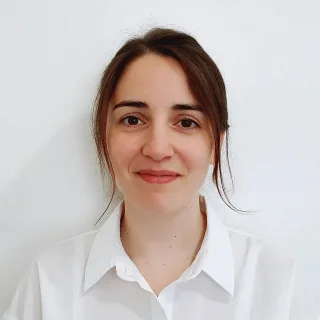
Doctor Isabel Pérez, a neurosurgery specialist from the Regional Hospital of Málaga, joins the service offerings of Hospital Parque Fuerteventura. Her goal is to improve access to specialised care on the island.
The neurosurgeon Isabel Pérez has begun her journey at Hospital Parque Fuerteventura, a centre that thus expands its range of specialties. The doctor, who previously worked at the Regional University Hospital of Málaga, will treat patients on the island with brain and spine conditions, both adults and children.
Pérez, a graduate in Medicine from the University of Navarra with a cum laude doctoral thesis on childhood hydrocephalus, explains that her incorporation aims to "improve access to specialised care for patients in Fuerteventura, thus helping to avoid many relocations." The island previously lacked a reference neurosurgeon, which forced patients to travel to Gran Canaria or Tenerife for evaluation.
Most common conditions and patient profile
Neurosurgery encompasses a wide range of ailments. According to the doctor, most consultations are related to spinal conditions: cervical and lumbar pain, disc herniations, spinal canal stenosis, and degenerative problems associated with aging. Neuralgias and compressive syndromes of peripheral nerves, as well as the aftermath of head trauma, vascular malformations, or brain tumours, are also common.
The predominant profile is that of middle-aged and older individuals with progressive symptoms affecting their quality of life, although it also includes young patients with traumatic injuries or disc herniations. "Some conditions require monitoring to assess whether surgical intervention is indicated over time," the specialist clarifies.
Accurate diagnosis and advances in minimally invasive surgery
To achieve an accurate diagnosis, clinical examination remains fundamental. Based on this, tests such as magnetic resonance imaging, CT scans, electromyographies, and evoked potentials are requested, as well as specific vascular studies when cerebrovascular pathology is suspected. "The combination of a good clinical assessment and imaging tests allows for precise diagnoses and the design of the most appropriate treatment," Pérez states.
In recent years, neurosurgery has experienced significant advances. The doctor highlights minimally invasive surgery, image-assisted surgical navigation, intraoperative neurophysiological monitoring, and endoscopic techniques. "These advances allow for more precise interventions, reduce damage to healthy tissues, and promote faster recovery, as well as fewer days of hospitalisation," she notes. She also emphasises progress in the multidisciplinary treatment of brain tumours and the management of vascular diseases.
"A clinical assessment and imaging tests provide a more accurate diagnosis"
In such a sensitive area as the brain, safety has improved significantly. Today, high-definition microscopes, neuronavigation systems, and continuous monitoring of neurological functions during the procedure are available. "Although it remains a complex specialty, safety and efficacy have improved markedly in recent decades," Pérez assures.
Prevention and healthy habits for brain health
The doctor also emphasises the prevention of neurodegenerative diseases such as Alzheimer’s or Parkinson’s. "An important aspect we can work on is taking responsibility for our own health," she states. Although these conditions have an unfavourable prognosis, studies highlight the importance of habits such as a balanced diet, physical exercise, and stress management to reduce the risk or delay their onset.
For patients in Fuerteventura, the arrival of the neurosurgeon represents a step forward in local healthcare. The doctor is excited: "Since I got to know the island, I connected with its lifestyle. It is an important commitment in my life, and I offer my availability to collaborate with my healthcare colleagues." Appointments are already available at Hospital Parque Fuerteventura, where consultations will be by prior appointment.
You may also like


